


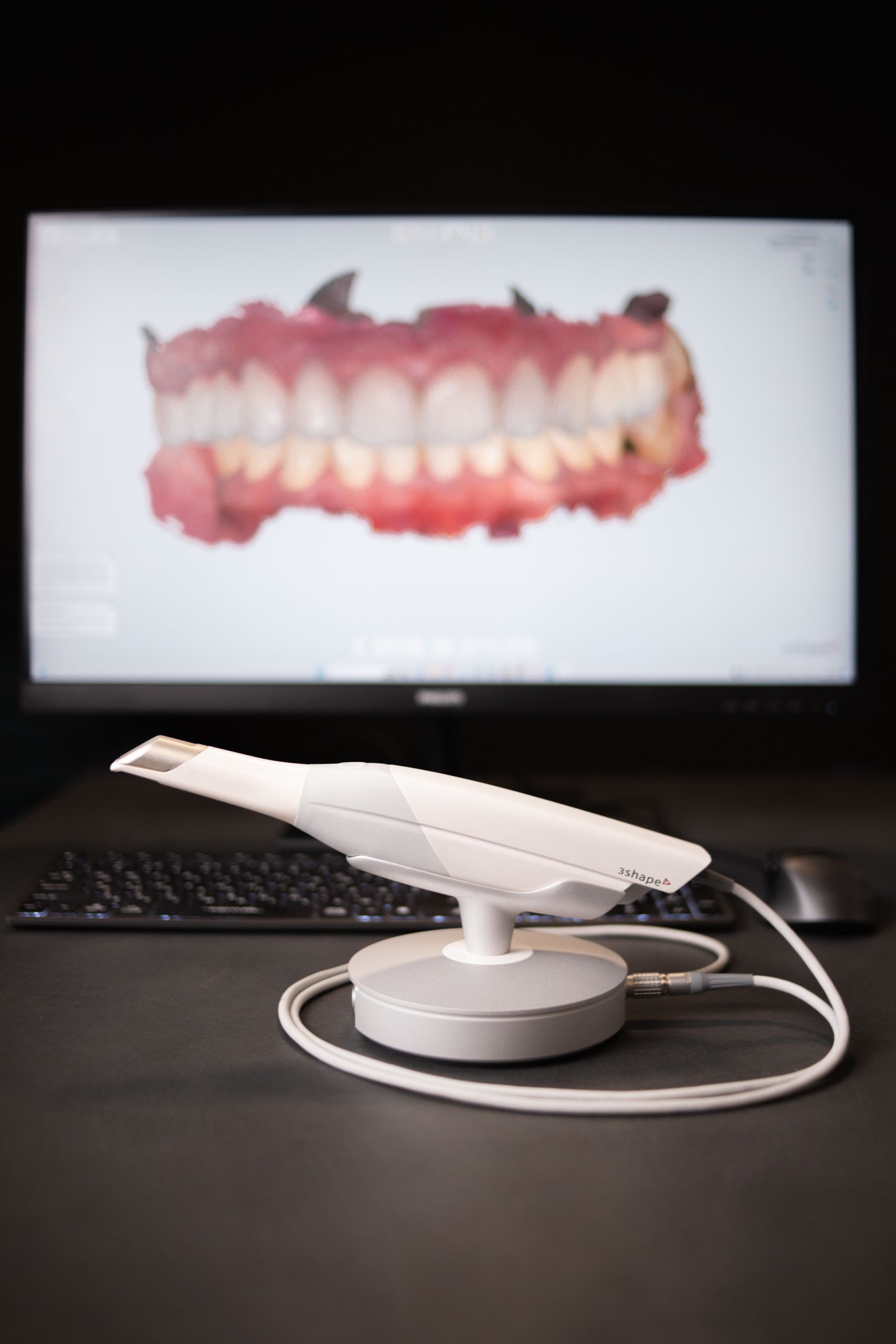
Digital Scanning
Digital scanning - is an innovative technology that allows you to obtain an accurate three-dimensional image of the teeth and oral cavity without the use of traditional impression materials. The intraoral scanner reads the shape of the teeth using optical sensors, creating a digital model that can be immediately viewed, processed and used for further treatment planning.The main advantages of digital scanning are high accuracy, patient comfort, speed and hygiene. Patients no longer have to endure unpleasant materials in their mouths, and the doctor receives accurate data, which reduces the risk of errors in the manufacture of crowns, veneers or orthodontic appliances. In addition, digital files are easy to store and transfer to laboratories or other specialists, which speeds up treatment and makes it more predictable. Digital scanning is a step towards more accurate, efficient and comfortable dentistry.
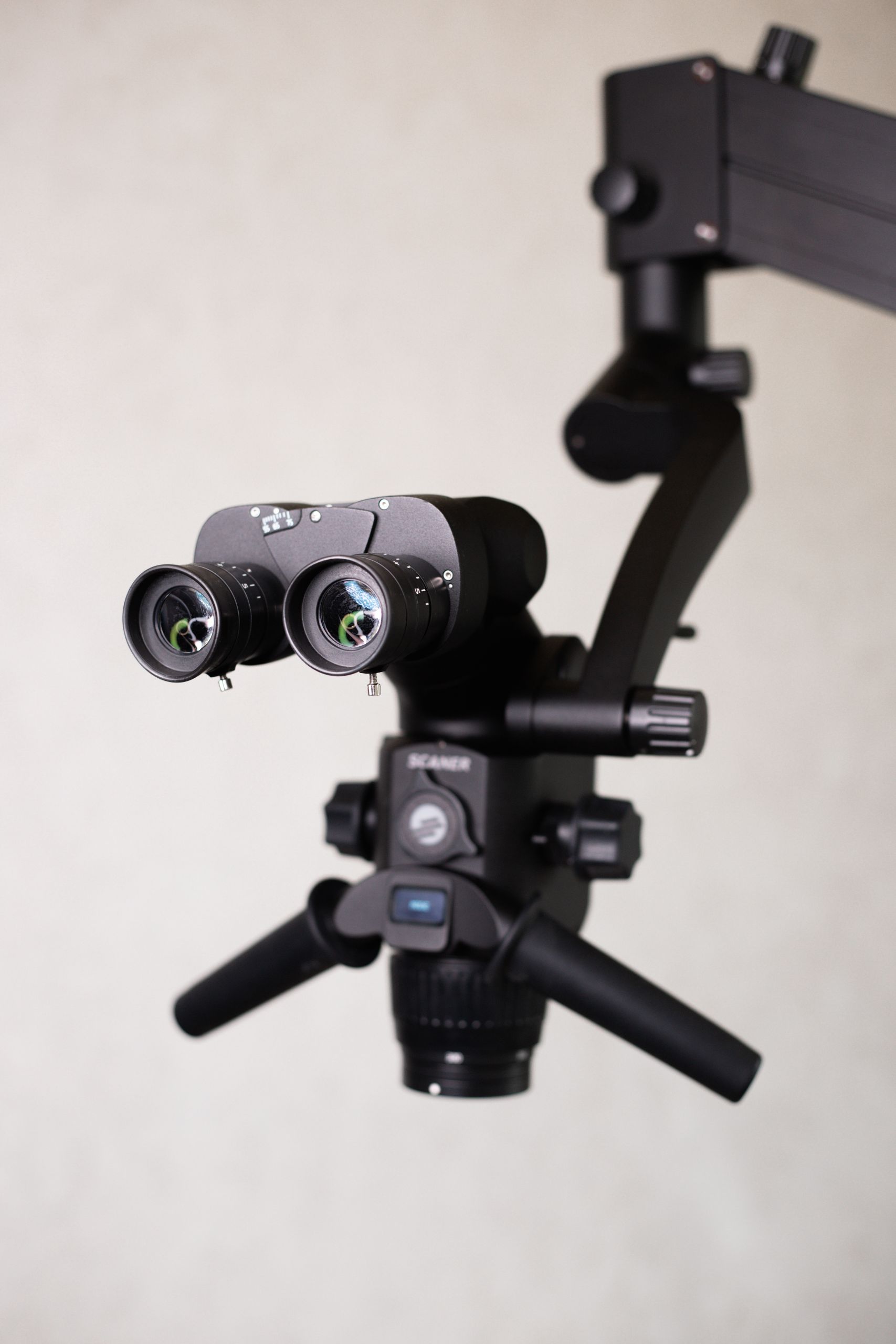
Microscope
Dental Microscope — is a high-precision optical device that significantly improves the quality and accuracy of dental treatment. Thanks to multiple magnification, the doctor can clearly see even the smallest anatomical details of the tooth, root canals and tissues. This is especially important in endodontics (root canal treatment), surgery and microprosthetics.One of the main advantages of a microscope is the ability to minimize the risk of errors and increase the accuracy of diagnosis. Thanks to better visualization, the doctor can more effectively remove infected tissues, find additional canals or microcracks that cannot be seen with the naked eye. This increases the success of treatment and reduces the likelihood of complications.
In addition, working under a microscope contributes to minimally invasive treatment methods - more healthy tissues are preserved, which is especially important for long-term preservation of the tooth.

Photodiagnostics
Dental Photodiagnostics — is a modern imaging method that allows you to detect pathologies of teeth and oral tissues in the early stages using special lighting and optics. The technology is based on the use of light of a certain wavelength (usually ultraviolet or blue), which causes tissue fluorescence. Healthy and affected areas reflect light differently, which allows the dentist to see caries, cracks, demineralization or plaque that are still invisible to the naked eye.The main advantages of photodiagnostics are non-contact, painless and safe (without X-ray radiation). The method allows you to objectively assess the condition of the oral cavity, monitor the effectiveness of treatment and store photographs for dynamic monitoring. Thanks to photodiagnostics, the doctor can take timely measures, preventing complications and preserving the patient`s health.
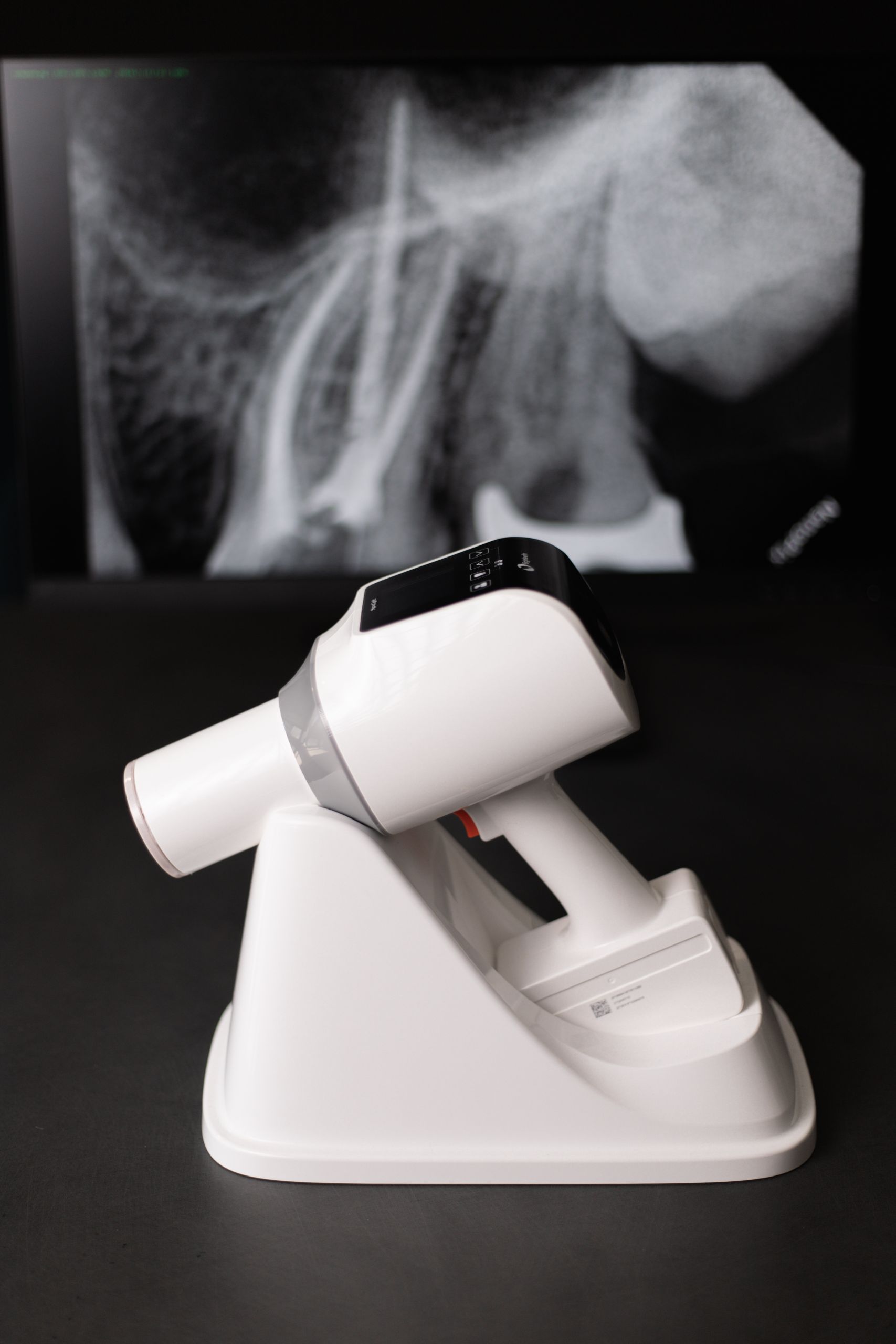
Dental X-Ray
Dental X-Ray — is an indispensable examination method that allows you to visualize the internal structures of the teeth, bone tissue and hidden pathologies that are inaccessible to the naked eye. With the help of X-rays, the dentist can detect caries between the teeth, the condition of the roots, inflammatory processes, cysts, periodontitis, as well as assess the quality of canal filling and the location of implants.Modern digital X-ray machines have a low level of radiation, which makes the procedure safe even for children. Thanks to the high resolution of the images, the doctor receives accurate information that allows him to make the correct diagnosis and plan effective treatment. In addition, digital images are stored in electronic form, which simplifies the recording and transfer of data between specialists. X-ray diagnostics is a key tool for high-quality, accurate and safe dental care


